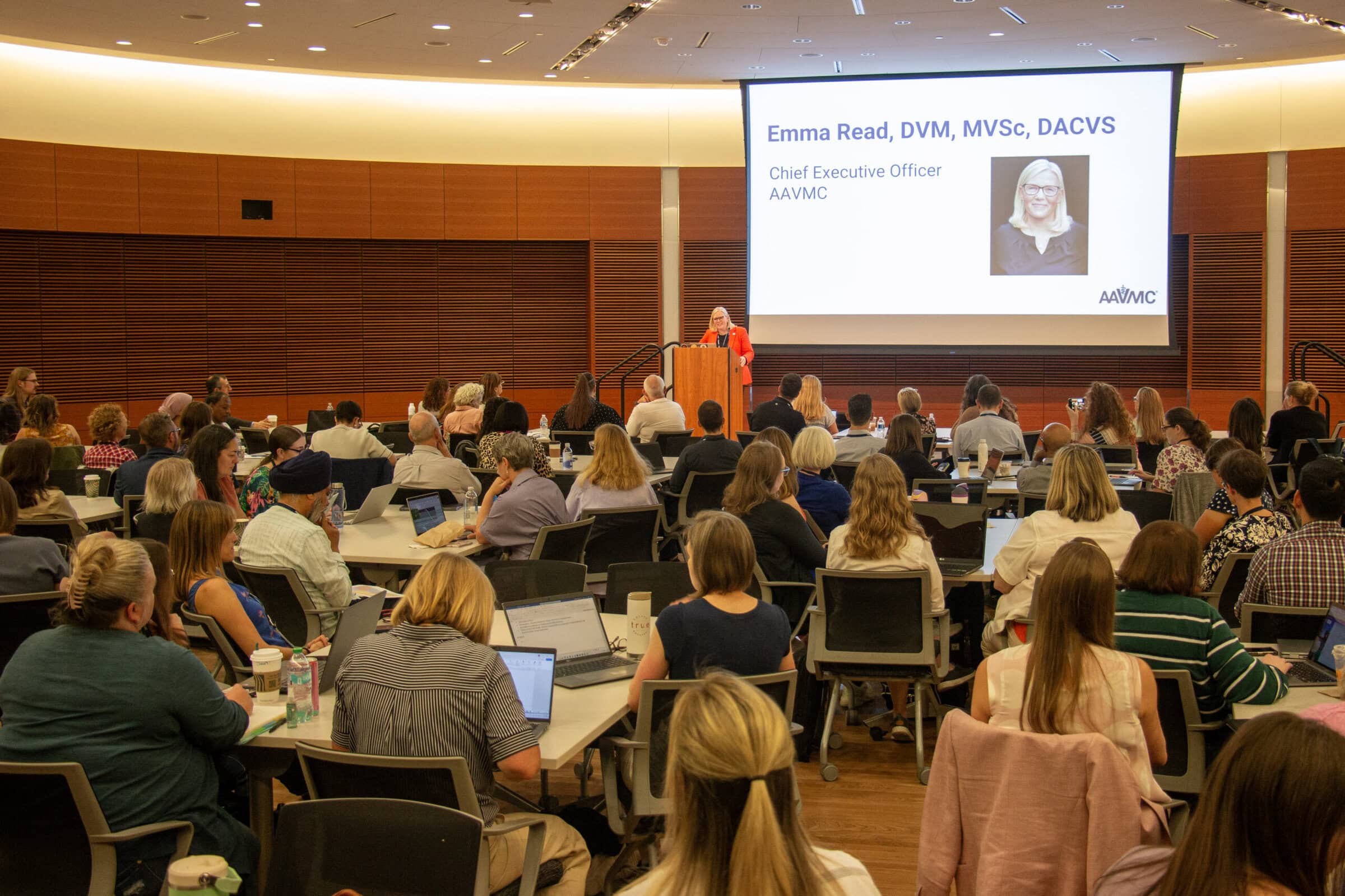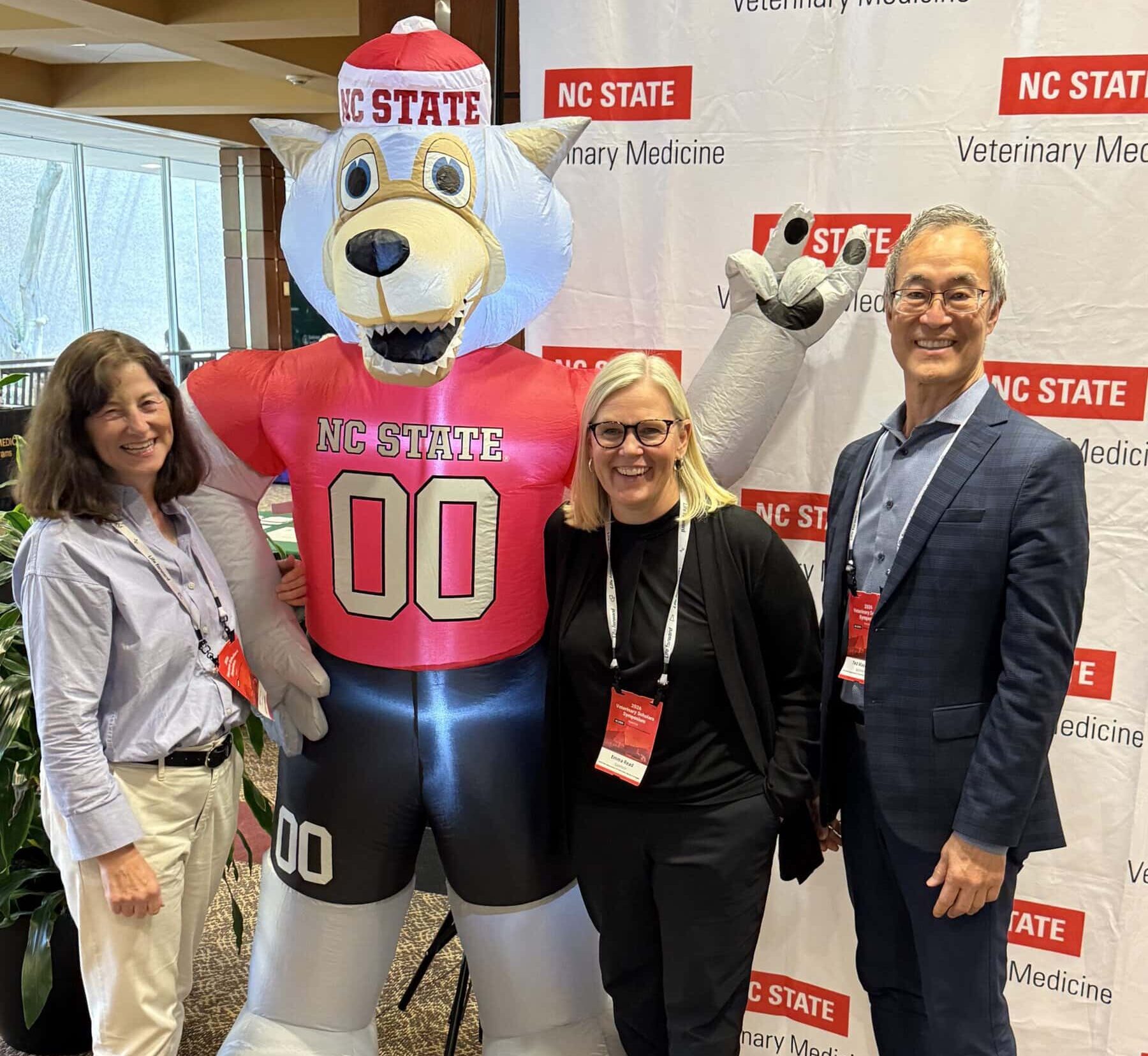
Young children ask questions about everything, with parents and family members filling in the gaps in their understanding. Ask any parent about their toddler, and they will tell you how quickly the endless “But why?” can wear you down. As children grow older, they sadly learn to stop asking so many “annoying” questions. Instead, most begin to focus only on asking the “right” ones, or they stop asking altogether for fear of being wrong. By the time they reach veterinary school, many students have learned that it feels safer to stay quiet in the back of the room than to let their peers see what they don’t know. As a veterinary educator, I have seen this pattern too often: talented students who would rather stay silent than risk looking less capable than they are.
That instinct to protect ourselves by staying quiet is the opposite of what our profession needs. Curiosity isn’t just the engine behind great research — it’s a habit of mind we have to actively protect and teach, in the classroom as much as in the lab. That challenge is exactly why my latest trip with AAVMC was such a joy.
Several AAVMC staff members and I had the privilege of attending this year’s Veterinary Scholars Symposium (VSS), hosted by North Carolina State University’s College of Veterinary Medicine. This annual gathering is a perfect example of curiosity in action, drawing together teaching and learning, discovery and the sharing of new ideas, and genuine conversation, all at once.
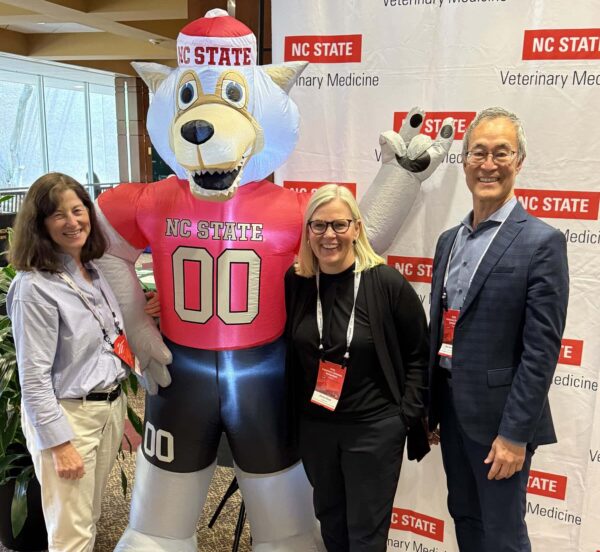
NCSU CVM Dean and AAVMC Board President Kathryn Meurs, DVM, PhD, DACVIM (left), with me and AAVMC Chief Strategy Officer Ted Mashima, DVM, DACZM, DACVPM.
This year marked VSS’s return to a college of veterinary medicine host, and 45 schools attended, including international programs from France, Mexico, Canada, the United Kingdom, and Korea. More than 812 participants were there, most of them veterinary students presenting the culmination of ten weeks of summer research. They were eager to share their findings and field questions from their peers, embracing the same spirit of discovery and openness that curiosity demands.
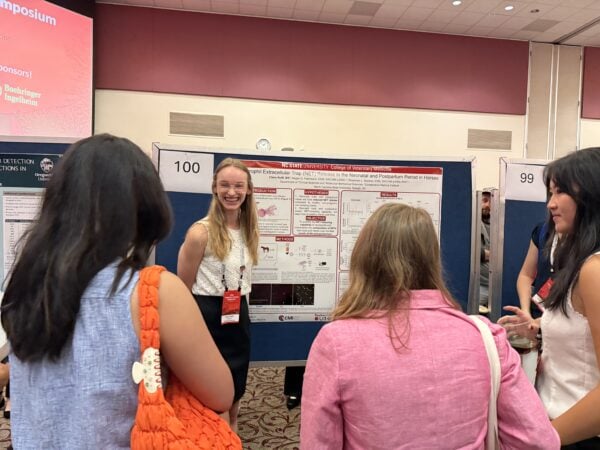
During the poster sessions, students had the opportunity to share their summer research.
The faculty mentors and scientists in attendance reminded students that asking questions and seeking answers is just the beginning of a fulfilling professional career. In her introductory remarks, Monica D. Figueiredo, DVM, PhD, DACVIM, of Boehringer Ingelheim, urged students to stay curious, learn together, and remain open to new ideas — a critical pathway to success no matter what career they pursue after graduation. Those habits will serve them well in whatever field of veterinary medicine they enter, keep them supporting one another, and ultimately serve our profession and society well as we face present and future challenges.
VSS wasn’t only an opportunity for learning from one another. In advance of the students’ arrival, a large gathering of Associate Deans of Research from across the country convened as well. Their focus: finding ways to address the challenges of research grant funding and building support for teaching our students the value of curiosity itself. They didn’t leave with all the answers, but they left with the right questions and a commitment to ask them — which, fittingly, is exactly the point.
It seems to me that curiosity is not a personality trait that some have and others don’t. It is a skill we can nurture — in our classrooms as deliberately as in our labs — by giving students permission to ask “why,” to be wrong out loud, and to sit in that uncomfortable, in-between space where real learning happens. If we want the next generation of veterinarians to keep discovering new answers, we have to keep making room for their questions.
Until next time,
Emma K. Read, DVM, MVSc, DACVS
Related Posts